Get Responsive Emergency Electrical Services Any Day
Navigate Electrical Installation Service in Yonkers, NY
Your Complete Planning Resource
Understanding Electrical Installation Basics
Electrical installation service encompasses the design, placement, and connection of all electrical components that power homes and businesses. From the main service panel that receives power from the utility to the individual outlets that charge phones and power appliances, every element must be correctly installed to deliver electricity safely and efficiently. Residential installations typically include wiring new construction, upgrading outdated systems, adding circuits for kitchens or home offices, and installing dedicated lines for high-demand appliances. Commercial projects often involve larger distribution panels, three-phase power systems, and specialized circuits for equipment and machinery.
In Yonkers and across Westchester County, many older homes were built when electrical demands were a fraction of what they are today. A house wired in the 1960s may have a 60-amp or 100-amp service that struggles to support modern heating systems, central air conditioning, multiple computers, and electric vehicle chargers. Service upgrades become necessary not only for convenience but also for safety, preventing overloaded circuits and reducing fire risk. Commercial spaces expanding operations or adding technology infrastructure face similar challenges, requiring careful load calculations and strategic installation planning to meet current and future needs without constant retrofitting.
Common Types of Electrical Installations
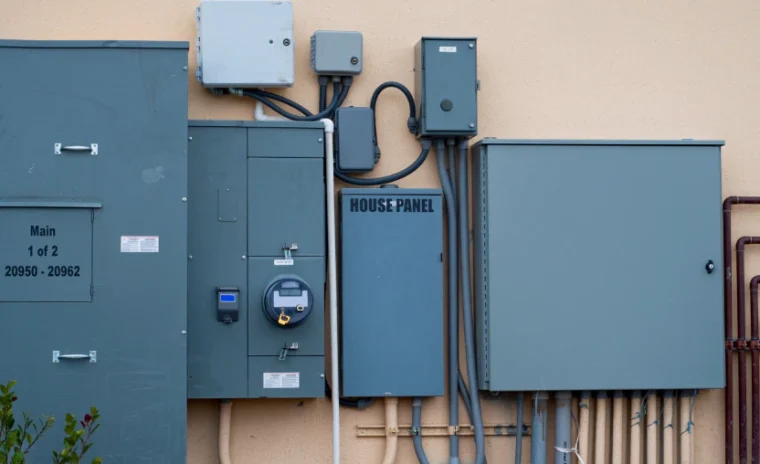
Panel upgrades represent one of the most critical installation types, replacing an outdated electrical panel with a modern unit that can handle increased amperage and additional circuits. Homeowners typically upgrade from 100-amp to 200-amp service when adding major appliances, finishing basements, or preparing for electric vehicle charging. New wiring installations involve running copper or aluminum conductors through walls, ceilings, and conduit to deliver power where it is needed. This work is common in renovations, room additions, and new construction, ensuring every space has adequate power distribution for lighting, outlets, and dedicated appliances.
Outlet and switch installation may seem straightforward, but proper placement, grounding, and circuit balancing make a significant difference in usability and safety. Kitchens require GFCI outlets near water sources, while dedicated 20-amp circuits serve high-wattage devices like microwaves and toasters. Lighting system installations range from simple fixture replacements to comprehensive designs incorporating recessed lighting, dimmers, smart controls, and outdoor illumination. EV charger installation has surged in demand as more drivers transition to electric vehicles, requiring a dedicated 240-volt circuit and proper load calculations to avoid overloading the home’s electrical system. A growing family may need additional circuits to support home offices, entertainment systems, and appliances, while businesses expanding into larger spaces often require commercial-grade distribution panels and dedicated circuits for servers, HVAC equipment, and manufacturing tools.
Safety and Code Compliance
Electrical work must meet stringent safety standards established by the National Electrical Code (NEC) and enforced through state and local regulations. In New York, electrical installations must comply with state-specific amendments to the NEC, and municipalities like Yonkers require permits and inspections for most installation projects. These codes exist to protect property and lives, addressing wire sizing, grounding, circuit protection, and proper installation techniques that prevent electrical fires, shocks, and equipment damage. Ignoring code requirements can result in failed inspections, costly rework, voided insurance claims, and serious safety hazards.
Homeowners and business owners should expect several key elements from a compliant installation. All work should be performed according to the applicable code edition, with proper wire gauges for the load, adequate overcurrent protection through circuit breakers or fuses, and grounding systems that safely divert fault currents. Permits should be pulled before major work begins, and inspections scheduled at appropriate stages to verify compliance. In Yonkers and Westchester County, where building stock ranges from century-old homes to modern commercial centers, understanding local code requirements and working with knowledgeable contractors ensures installations meet safety benchmarks and pass inspection the first time. Code compliance is not a bureaucratic hurdle but a fundamental safeguard, protecting occupants from electrical hazards and ensuring systems perform as designed for decades.
The Electrical Installation Process
The electrical installation process begins with a thorough assessment of the project scope, existing conditions, and customer needs. An initial site visit allows the contractor to evaluate the current electrical system, identify any deficiencies or hazards, and discuss the homeowner’s or business owner’s goals. This stage includes load calculations to determine the required capacity, identification of code requirements, and development of a detailed plan that outlines materials, labor, timeline, and costs. Once the plan is approved, permits are obtained from the local building department, ensuring the project proceeds with official oversight and accountability.
Installation itself follows a logical sequence: running new circuits or upgrading panels, mounting outlets and switches, installing fixtures and devices, and making all necessary connections. Depending on the scope, work may take anywhere from a few hours for simple outlet additions to several days for whole-house rewiring or commercial service upgrades. Minimizing disruption is a priority, and contractors often schedule work to avoid peak business hours or coordinate with renovation timelines. After installation, the system undergoes rigorous testing, verifying voltage levels, grounding integrity, and proper operation of all circuits and devices. A final inspection by the local authority confirms compliance, and the project is closed out with documentation and any warranty information.
Customers should prepare by clearing access to electrical panels, outlets, and work areas, and communicating any special scheduling needs or concerns upfront. Expect temporary power interruptions during panel work and some dust or minor wall patching if new circuits are run. Clear communication throughout the process ensures the installation proceeds smoothly, meets expectations, and results in a safe, code-compliant electrical system ready for years of dependable service. For anyone in Yonkers or Westchester County considering an upgrade or new installation, contacting a local electrical service ensures the work is planned and executed with attention to safety, quality, and lasting performance.
Choosing the Right Electrical Contractor
The electrical installation process begins with a thorough assessment of the project scope, existing conditions, and customer needs. An initial site visit allows the contractor to evaluate the current electrical system, identify any deficiencies or upgrade opportunities, and determine the best approach to meet code requirements. During this assessment phase, measurements are taken, load calculations are performed, and potential challenges such as limited panel space or outdated wiring are documented. For many Yonkers and Westchester County properties built in earlier decades, this evaluation often reveals the need for service upgrades to support modern appliances, home offices, and electric vehicle charging.
Following the assessment, a detailed installation plan is developed that outlines the scope of work, materials needed, timeline, and any required permits. New York state electrical work typically requires permits for significant installations such as panel upgrades, new circuits, or major rewiring projects. The contractor submits permit applications and coordinates with local building departments to ensure all work meets regulatory standards. Once permits are approved, the installation phase begins with the contractor scheduling work at a time that minimizes disruption to daily activities.
The actual installation involves careful coordination of multiple steps: shutting off power to affected circuits, removing old components if applicable, running new wiring through walls or conduit, making secure connections at panels and devices, and installing outlets, switches, fixtures, or other equipment. Throughout the process, the contractor follows NEC guidelines for wire sizing, circuit protection, grounding, and bonding. After installation is complete, a thorough testing phase verifies that all circuits function correctly, voltages are within acceptable ranges, and safety devices such as GFIP and AFCI breakers operate as intended. Finally, a municipal inspector reviews the work to confirm code compliance before the project is considered complete. Homeowners and business owners should expect clear communication at every stage, with the contractor explaining what to anticipate each day and addressing any questions or concerns that arise during the project.